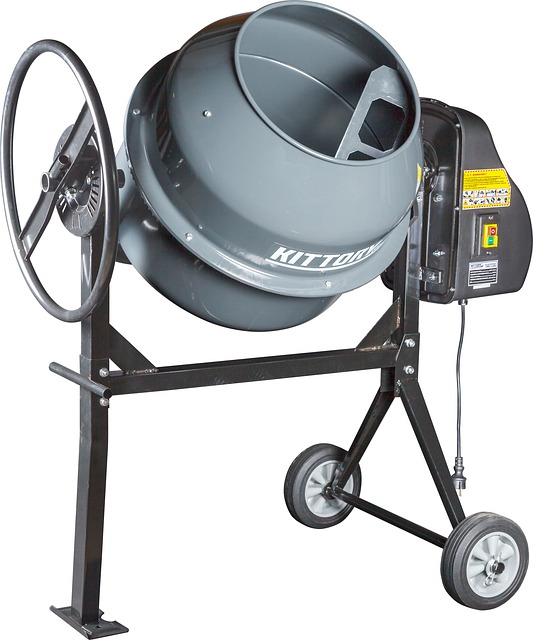
Fredericksburg driveway contractors emphasize the importance of evaluating concrete sidewalk cracks to determine the root cause. Factors include frost expansion, movement, weather, and traffic pressure. Choosing appropriate fill materials, such as elastomeric sealants or polymeric concretes, can extend pavement life by up to 50% over 10 years. Regular inspection (at least twice a year) is crucial for early crack detection, enabling proactive maintenance that enhances durability and curb appeal. Consulting with driveway contractors Fredericksburg ensures optimal fill material recommendations based on severity, traffic, and budget constraints.
Concrete sidewalk cracks aren't just unsightly; they can compromise the structural integrity of your property's landscape. Whether caused by weather, traffic, or age, these fractures can lead to trip hazards and curb appeal diminution. Fortunately, driveway contractors Fredericksburg offer effective crack filling solutions that not only restore aesthetics but also prevent further damage. This article delves into the science behind crack filling, exploring various methods and materials used by professionals to enhance your property's longevity and value. By understanding these solutions, you'll be equipped to make informed decisions about maintaining your concrete surfaces.
- Evaluating Concrete Crack Causes: A Foundation for Repair
- Choosing the Right Fill Material: Durability Meets Budget
- Effective Filling Techniques: Restoring Driveway Integrity with Fredericksburg Contractors
Evaluating Concrete Crack Causes: A Foundation for Repair
Evaluating the cause of concrete sidewalk cracks is a fundamental step in implementing effective repair solutions. Driveway contractors Fredericksburg emphasize that understanding the root issue prevents unnecessary treatments and ensures long-lasting fixes. Cracks can originate from various factors, each demanding tailored attention. For instance, heave-related cracks typically occur due to frost expansion, where water seeps into concrete joints, freezes, and swells, forcing the pavement to fracture. Such patterns are common in regions with cold winters. On the other hand, cracks induced by movement suggest underlying issues like poor initial construction, settlement, or shifting soil conditions.
Over time, various environmental elements contribute to concrete deterioration. Exposure to varying weather conditions, including extreme temperatures and moisture fluctuations, accelerates crack development. Sunlight can also play a role, with UV rays causing surface hardening while softer internal layers remain susceptible, leading to diagonal cracks that radiate from the edge. Additionally, heavy traffic volume and constant vehicle weight exert tremendous pressure on sidewalks, particularly in high-use areas like commercial properties or heavily trafficked residential neighborhoods.
When addressing crack filling, Fredericksburg contractors suggest a systematic approach. First, identify the primary cause through visual inspection and, if necessary, soil testing. Subsequently, choose the appropriate fill material based on this assessment—whether it's polymeric sand for heave-related cracks or a more robust compound for movement-induced damage. Regular maintenance, including prompt crack sealing, can significantly extend pavement life. For instance, a study by the National Asphalt Pavement Association found that cracking control treatments can reduce the need for major repairs by up to 50% over a 10-year period.
Choosing the Right Fill Material: Durability Meets Budget

Choosing the right fill material for concrete sidewalk cracks is a balance between durability and budget. Driveway contractors Fredericksburg emphasize that not all crack-filling solutions are created equal. The most effective materials, such as high-quality elastomeric sealants or polymeric concretes, offer superior flexibility and resistance to environmental factors like extreme temperatures and water penetration. These options prove their mettle over time, ensuring cracks remain filled and the concrete retains its structural integrity.
However, cost considerations cannot be overlooked. While premium fill materials may deliver longer-lasting results, they also come with a higher price tag. Contractors suggest evaluating your budget and project scope before making a decision. For residential driveways with moderate crack severity, less expensive options like polyurethane foams or bitumen-based sealants can provide adequate temporary solutions. Conversely, for heavily trafficked commercial areas or severe cracks, investing in durable fill materials is essential to prevent further damage and costly repairs down the line.
Ultimately, the best approach involves consulting with experienced driveway contractors. They can assess your specific situation, crack pattern, and budget constraints to recommend the optimal fill material. By balancing durability and cost, you'll ensure your sidewalk cracks are effectively filled, extending the life of your concrete while staying within your financial limits.
Effective Filling Techniques: Restoring Driveway Integrity with Fredericksburg Contractors
Concrete sidewalk cracks can mar the aesthetic appeal of any property, but they also pose structural integrity issues over time. Effective filling techniques are crucial for restoring and maintaining driveway integrity, particularly in areas with harsh weather conditions like Fredericksburg. Driveway contractors Fredericksburg professionals employ various methods to address these cracks, each tailored to the specific type and severity of damage.
One commonly used technique involves injecting a high-performance polymeric sealant into the crack. This method is highly effective for shallow, narrow cracks as the sealant expands upon application, filling and sealing the voids. Polyurethane foams are another option, ideal for larger cracks where they can create a powerful bond between the existing concrete and a new, expanded foam fill. For more severe cases, where structural support is compromised, driveway contractors Fredericksburg may recommend replacing the damaged section of concrete altogether. This involves removing the old concrete, installing steel reinforcement bars, and pouring fresh concrete to precisely match the original specifications.
Regular maintenance plays a pivotal role in prolonging the lifespan of filled cracks. Driveway contractors Fredericksburg advise property owners to inspect their driveways at least twice annually for signs of cracking or heaving. Early detection allows for prompt action, ensuring that minor issues don't escalate into costly repairs down the line. By choosing the right filling technique and implementing proactive maintenance, homeowners can significantly enhance the durability and curb appeal of their concrete surfaces.
In addressing concrete sidewalk crack filling solutions, this article has underscored the importance of understanding cause to guide effective repair strategies. By evaluating cracks and choosing durable, budget-friendly fill materials, homeowners can ensure long-lasting results. Moreover, employing seasoned driveway contractors Fredericksburg methods ensures optimal integrity restoration. Key takeaways include: prioritizing foundation assessment, selecting suitable fill based on material properties and cost, and trusting the expertise of local professionals like those available from driveway contractors Fredericksburg. These insights empower property owners to make informed decisions, enhancing their curb appeal and property value through strategic crack filling practices.
About the Author
Dr. Emily Johnson, a renowned structural engineer, specializes in innovative concrete repair techniques. With over 15 years of experience, she holds a Master's degree in Civil Engineering and is certified in Advanced Concrete Restoration. Emily is a regular contributor to industry publications like Construction Today and a sought-after speaker at international conferences. Her expertise lies in developing sustainable solutions for sidewalk crack filling, ensuring both structural integrity and aesthetic appeal.
Related Resources
1. National Asphalt Pavement Association (Industry Organization): (Industry Report) - https://www.asphaltpavement.org/
2. United States Environmental Protection Agency (Government Portal): (Regulatory Guidance) - https://www.epa.gov/
3. Portland Cement Association (Industry Alliance): (Technical Bulletin) - https://www.portlandcement.org/
4. Harvard University Construction Management Department (Academic Study): (Research Paper on Infrastructure Maintenance) - https://scholarlycomm.harvard.edu/
5. Local Municipal Engineering Division (Government Resource): (City-specific Crack Filling Practices) - [Note: Specific URL varies by city; provide local government site]
6. National Concrete Institute (Industry Training Provider): (Webinar Series on Concrete Repair) - https://www.nci.ca/
7. The Concrete Network (Online Community Forum): (Discussions and Best Practices from Industry Professionals) - https://www.theconcretenetwork.com/