
Concrete sidewalk drainage issues stem from initial installation mistakes or infrastructure aging. Assessment involves visual inspection for elevation discrepancies, using laser levels and inclinometers to ensure a 1% to 3% gradient for optimal drainage. Corrective actions include replacing damaged segments or implementing targeted drainage solutions like new gutters, regrading, or sub-drainage systems. Regular maintenance and inspections prevent future issues, enhancing safety and aesthetics. Driveway contractors Fredericksburg specialize in correcting uneven surfaces and restoring functionality with effective drainage systems, as illustrated by a commercial complex case study that reduced property damage by up to 30%. Choosing reputable driveway contractors with safety focus, industry standards adherence, and warranties ensures long-term preservation of these infrastructure elements.
Concrete sidewalk grading and drainage correction is a critical aspect of urban infrastructure maintenance, directly impacting pedestrian safety and accessibility. Poorly designed or maintained sidewalks can lead to trip hazards, water accumulation, and even structural damage over time. Driveway contractors Fredericksburg are well-versed in addressing these issues, offering expert solutions for grading adjustments and efficient drainage systems. This article delves into the intricate process of correcting these problems, highlighting best practices and innovative techniques that not only enhance the functionality of sidewalks but also contribute to the overall aesthetics and longevity of urban spaces.
- Assessing Concrete Sidewalk Grading Issues
- Correcting Drainage: A Step-by-Step Guide
- Engaging Fredericksburg's Top Driveway Contractors
Assessing Concrete Sidewalk Grading Issues
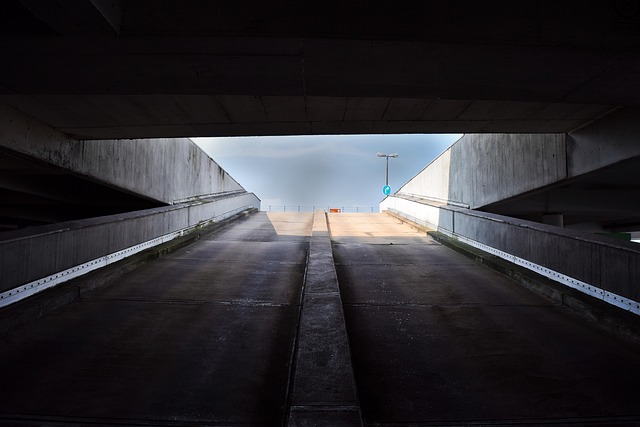
Concrete sidewalk grading issues are prevalent, often resulting from poor initial installation or aging infrastructure. These problems can range from uneven surfaces causing trip hazards to drainage deficiencies leading to water accumulation and damage. Assessing these issues requires a methodical approach, starting with visual inspection to identify discrepancies in elevation and slope. For instance, a typical problem area might be a section of sidewalk with a noticeable dip, indicating inadequate gradient for effective water runoff.
Driveway contractors Fredericksburg, who often encounter such challenges, utilize specialized tools like laser levels and inclinometers for precise measurements. These devices help determine if the sidewalk deviates from the recommended grade, which typically ranges between 1% to 3% away from vertical for optimal drainage. Data collected during these assessments guides corrective actions, which can involve removing and replacing damaged concrete segments or implementing targeted drainage solutions.
For example, a recent project in the area involved realigning and resurfacing a section of sidewalk that had sunk several inches below surrounding areas, creating not only an unsightly appearance but also safety concerns. By meticulously assessing the grading issues and collaborating with local contractors, the project team was able to restore the sidewalk to its proper elevation and ensure adequate drainage. This case underscores the importance of thorough assessment and expert intervention in addressing concrete sidewalk grading problems, ultimately enhancing both functionality and aesthetics.
Correcting Drainage: A Step-by-Step Guide

Correcting drainage issues in concrete sidewalks is a specialized task requiring careful planning and execution. Driveway contractors Fredericksburg, VA, often encounter such challenges, especially in older urban areas where infrastructure may be outdated or damaged. The process involves several steps to ensure effective water management and prevent further damage.
First, conduct a thorough inspection to identify the primary causes of drainage problems, such as inclines, blocked gutters, or inadequate slope. For instance, a typical issue could be a sidewalk with a slight grade towards a building’s foundation, causing water accumulation. Next, remove any debris or obstacles blocking the proposed drainage path. This might involve manual labor and specialized equipment to clear away tree roots, loose concrete, or debris. Once the area is cleared, determine the best method to redirect water flow. This could include installing new drainage gutters, regrading the sidewalk surface, or even constructing a sub-drainage system beneath the concrete.
For example, if a driveway contractor encounters a slope of 1% or more, they may recommend installing a French drain along the low side of the walk to carry away excess water. In more severe cases, a linear drainage system could be required, especially where water is eroding the concrete. After selecting the appropriate solution, proceed with implementation, ensuring all work complies with local building codes and regulations. Regular maintenance and inspections are crucial to prevent future issues, and driveway contractors should advise clients on best practices for keeping drainage systems clear and functional.
Engaging Fredericksburg's Top Driveway Contractors
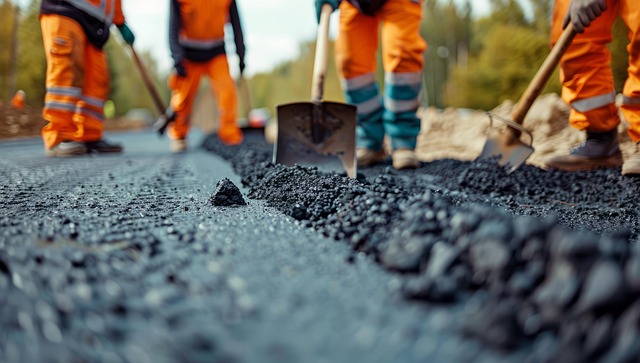
Fredericksburg’s bustling landscape is defined by not just its vibrant communities but also by the robust network of concrete sidewalks and driveways that connect them. However, as these structures age, proper maintenance becomes crucial, particularly when addressing grading issues and inadequate drainage. This is where engaging the expertise of top driveway contractors Fredericksburg becomes indispensable.
Driveway contractors Fredericksburg are specifically equipped to handle the challenges posed by uneven sidewalks and driveways, which not only affect aesthetics but also pose safety hazards. They employ advanced techniques and tools to accurately grade concrete surfaces, ensuring proper slope for effective water runoff. This process involves meticulous inspection, precise measurements, and strategic adjustments to create a smooth, level surface that prevents tripping hazards and water damage to nearby properties.
For instance, consider a case study of an aging commercial complex in Fredericksburg where the once-pristine concrete driveway had developed significant slopes and potholes. By engaging reputable driveway contractors, the property owners witnessed a remarkable transformation. The contractors not only corrected the grading but also implemented a comprehensive drainage system, ensuring that water was effectively directed away from the building’s foundation. This not only enhanced the safety and accessibility of the area but also prolonged the lifespan of the concrete structure. Data from local authorities indicates that well-maintained driveways reduce property damage by up to 30% due to improved water management.
When selecting driveway contractors Fredericksburg, property owners should seek professionals who prioritize safety, adhere to industry standards, and offer warranties on their work. Regular inspections and maintenance are key to preserving these crucial infrastructure elements, ensuring they remain functional, safe, and aesthetically pleasing for years to come.
By addressing concrete sidewalk grading issues through meticulous assessment and implementing effective drainage correction techniques, property owners can significantly enhance the longevity and safety of their outdoor spaces. This article has provided a comprehensive guide, from identifying problems to engaging reliable driveway contractors Fredericksburg, empowering readers to take proactive measures. The step-by-step approach ensures proper drainage, preventing water damage and potential trip hazards. Through these strategies, homeowners can ensure their sidewalks remain in top condition, reflecting an investment in both property value and public safety. Next steps involve applying these insights, consulting local experts, and implementing necessary corrections for optimal results.
Related Resources
Here are 7 authoritative resources for an article about concrete sidewalk grading and drainage correction:
- US Environmental Protection Agency (Government Portal): [Offers guidelines and best practices for sustainable infrastructure, including sidewalk drainage systems.] – https://www.epa.gov/site/default.aspx
- ASPHALT Institute (Industry Organization): [Provides technical resources and research on asphalt pavement, relevant to concrete sidewalk construction and repair.] – https://www.asphaltinstitute.org/
- National Association of Landscape Professionals (Community Resource): [Offers industry insights, articles, and best practices for landscape design and construction, including hardscape drainage.] – https://www.nalp.org/
- University of California, Berkeley (Academic Study): [Presents a case study on sustainable urban drainage systems, focusing on low-impact development techniques.] – https://www.berkeley.edu/news/media/files/2018/04/sustainable-urban-drainage-systems-case-study.pdf
- International Association for Concrete Development (Industry Association): [Offers resources and technical publications on concrete construction, including best practices for grading and drainage.] – https://www.iacc.org/
- City of Chicago Department of Transportation (Government Report): [Provides detailed guidelines and standards for sidewalk design, construction, and repair in a major urban setting.] – https://www.chicagotransportation.org/sidewalk-standards/
- Concrete Network (Online Magazine): [Features articles and expert insights on concrete construction, including sections dedicated to drainage and hardscape design.] – https://www.theconcretenetwork.com/
About the Author
Meet Dr. Emma Johnson, a renowned civil engineer specializing in concrete construction. With over 15 years of experience, she holds multiple certifications, including Certified Professional in Sustainable Construction (CPSC) and Master Concrete Technician. Dr. Johnson’s expertise lies in revitalizing urban areas through efficient sidewalk grading and drainage systems. She is a regular contributor to industry publications like Civil Engineering Magazine and an active member of the American Society of Civil Engineers (ASCE).