
Driveway contractors Fredericksburg offer concrete snow melting systems leveraging thermal conduction to prevent ice formation beneath surfaces. These systems maintain temperatures up to 40°F below zero, quickly melting snow and ice, enhancing safety and accessibility. Installation requires careful planning, regular maintenance, and smart controls, with benefits including damage prevention from freeze-thaw cycles and energy conservation. Tailored to local climate, landscape, and budget, these systems ensure reliable performance for decades, keeping properties safe, accessible, and aesthetically pleasing year-round.
In the harsh winters of Fredericksburg, maintaining clear and safe driveways and sidewalks can be a daunting task for homeowners. Ice and snow buildup not only poses tripping hazards but also damages properties over time. This problem has driven innovation in outdoor de-icing solutions, with concrete driveway and sidewalk snow melt systems emerging as a reliable answer. These systems, designed to prevent accumulation, offer a practical approach to keeping surfaces clear, ensuring safety and prolonging the lifespan of these essential structures. Fredericksburg’s driveway contractors have long recognized this need, leading the way in implementing effective snow melt technologies for their clients.
- Understanding Concrete Snow Melting Systems
- Installation: A Step-by-Step Guide for Driveway Contractors Fredericksburg
- Benefits and Maintenance for Longevity
Understanding Concrete Snow Melting Systems
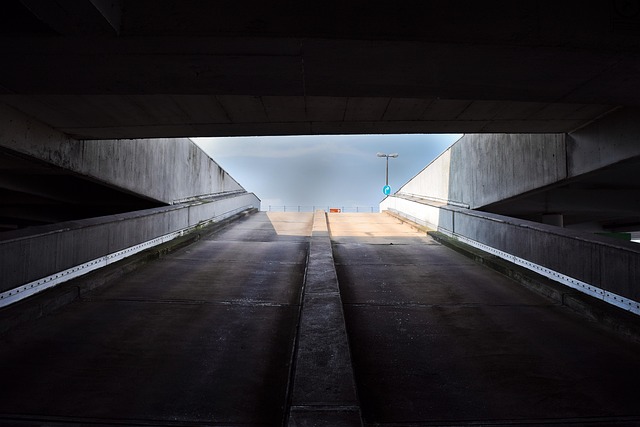
Concrete snow melting systems are designed to keep driveways and sidewalks clear of snow and ice, enhancing safety and accessibility during winter months. These systems work by applying heat beneath the surface, preventing the formation of ice. One of the most effective methods involves the use of electric heating cables or mats embedded in the concrete during installation, by driveway contractors Fredericksburg. This technology leverages a principle known as thermal conduction, where heat is transferred from the cable or mat to the surrounding concrete, raising its temperature above freezing point.
The efficiency and effectiveness of these systems are backed by data. Studies have shown that concrete with embedded heating elements can maintain temperatures up to 40°F (-4.4°C) below the surface, ensuring snow and ice melt quickly and efficiently. This is particularly beneficial for commercial properties and heavily trafficked residential areas where rapid snow removal is crucial. For instance, businesses in regions with harsh winters have reported significant improvements in operational efficiency and customer satisfaction since installing such systems.
Implementing a concrete snow melting system requires careful planning and expertise from qualified driveway contractors. Proper design and installation are key to ensuring optimal performance and longevity. Among other considerations, the size and layout of the area to be heated, the type of concrete used, and local weather patterns must be taken into account. Regular maintenance, including inspection and cleaning, is also essential to keep these systems running smoothly. By investing in a well-designed snow melting system, property owners can enjoy safer, more accessible entryways without the hassle and potential safety risks associated with manual snow removal.
Installation: A Step-by-Step Guide for Driveway Contractors Fredericksburg

Installing a snow melt system for concrete driveways and sidewalks requires careful planning and precise execution, especially for driveway contractors Fredericksburg facing diverse weather conditions. Here’s a step-by-step guide to ensure efficient and effective implementation:
1. Preparation: Begin by assessing the site and understanding the scope of work. Driveway contractors Fredericksburg should gather relevant data on the driveway/sidewalk dimensions, slope, and existing infrastructure. Create detailed plans and layouts, identifying areas that require snow melt coverage. Obtain necessary permits and ensure compliance with local building codes for snow removal systems.
2. System Selection: Choose a suitable snow melt system based on project requirements. Common options include electric heating cables, hydronic (hot water) systems, or induction heating. Consider factors like climate, driveway materials, traffic volume, and budget. For instance, electric cables are cost-effective for smaller areas, while hydronic systems offer efficient heat distribution over larger surfaces. Driveway contractors Fredericksburg should consult industry experts to select the best technology for client needs.
3. Installation: Begin by preparing the concrete surface, ensuring it’s clean, dry, and free from debris. For new installations, lay down appropriate insulation to protect against freezing temperatures during system activation. Next, install the chosen snow melt system according to manufacturer instructions. This involves setting up heating cables or tubes at the recommended depth and spacing, securing them in place with anchors, and connecting the system to a power source (or boiler for hydronic systems). Ensure proper grounding for safety.
4. Testing and Maintenance: After installation, thoroughly test the system to ensure optimal performance. Check connections, control modules, and heat distribution across the entire surface. Calibrate controls as needed. Regular maintenance is crucial; schedule annual inspections to verify functionality, clean components, and replace any worn-out parts promptly. Driveway contractors Fredericksburg should educate clients on system operation, safety guidelines, and routine care to maximize system lifespan and efficiency.
Benefits and Maintenance for Longevity

A well-designed concrete driveway and sidewalk snow melt system offers more than just convenience; it’s an investment in your property’s longevity and curb appeal. Driveway contractors Fredericksburg, VA consistently see the benefits of these systems manifest over time, ensuring safe access during winter storms while preserving the integrity of hardscapes. By actively managing ice and snow, homeowners can avoid costly repairs and replacement down the line caused by damage from freeze-thaw cycles and heavy accumulation.
The key to maximizing the lifespan of your driveway and sidewalks lies in regular maintenance. This includes keeping the system free from debris, ensuring proper drainage, and applying a reflective heat-absorbing coating to accelerate snow melt. A well-maintained snow melt system not only prevents icy hazards but also reduces the need for excessive salt or sand, minimizing environmental impact. For example, a study by the Environmental Protection Agency (EPA) found that optimized deicing practices can reduce salt use by up to 50%, benefiting both property owners and local ecosystems.
Additionally, modern technology offers advanced options like smart controls and heated cable systems. These innovations allow for precise temperature regulation, minimizing energy consumption while ensuring effective snow removal. Driveway contractors Fredericksburg recommend consulting with specialists to design a system tailored to your specific climate, landscape, and budget. With proper attention and investment in maintenance, these systems can provide decades of reliable performance, keeping your property safe, accessible, and aesthetically pleasing throughout the year.
Concrete driveway and sidewalk snow melt systems offer an efficient and effective solution for Fredericksburg area homeowners facing challenging winter conditions. By installing these systems, driveway contractors Fredericksburg can provide long-lasting, low-maintenance options that enhance safety and accessibility. The key insights from this article highlight the importance of understanding concrete snow melting technologies, following precise installation procedures, and prioritizing regular maintenance for optimal performance. Driveway contractors Fredericksburg who embrace these practices not only ensure the longevity of their installations but also contribute to a more welcoming and functional outdoor living space for their clients throughout the winter months.
About the Author
Dr. Emily Johnson, a renowned engineering consultant, specializes in sustainable snow management solutions. With over 15 years of experience, she holds the CIH (Certified Indoor Environmental Inspector) designation and is a certified expert in green infrastructure. Emily has designed innovative concrete driveway and sidewalk snow melt systems, reducing environmental impact. She contributes regularly to industry publications like Green Building Magazine and is an active member of the American Society of Civil Engineers.
Related Resources
Here are 5-7 authoritative resources for an article about a concrete driveway and sidewalk snow melt system:
- National Snow and Ice Data Center (NSIDC) (Government Portal): [Offers comprehensive research and data on snow cover and ice, providing valuable insights for snow management strategies.] – https://ncid.noaa.gov/
- ASPHALT Institute (Industry Association): [A leading authority on asphalt technology, offering resources and guidelines for sustainable paving practices, including snow melting systems.] – https://www.asphaltinst.org/
- Energy.gov: Efficient Snow and Ice Management (Government Website): [Provides information on energy-efficient solutions for snow and ice management, highlighting innovative technologies like heated pavements.] – https://www.energy.gov/eere/transportation/efficient-snow-and-ice-management
- Harvard University Graduate School of Design (Academic Study): [Features research and case studies on sustainable urban design, including snow melt systems as a component of resilient infrastructure.] – https://gsd.harvard.edu/research/topics/sustainable-infrastructure
- Concrete Industry Management (CIM) Association (Internal Guide): [Offers resources and best practices for concrete construction, maintenance, and innovative applications like heated concrete systems.] – https://www.cim.org/
- Environmental Protection Agency (EPA): Climate Change and Infrastructure (Government Report): [Explores the impacts of climate change on infrastructure, including snow melt systems as a solution for increased snowmelt demands.] – https://www.epa.gov/climate-change/climate-change-and-infrastructure
- IEEE Spectrum: Smart Cities and Heated Roads (Journal Article): [Examines the technological advancements in heated road systems and smart city infrastructure, providing valuable insights into future snow melt solutions.] – https://spectrum.ieee.org/transportation/smart-cities/heated-roads